In today’s rapidly evolving financial landscape, many people wonder how does a cashless society affect your privacy? This is an issue that has become all the more relevant as we move away from physical money and embrace a digital future. When we tap our card, we’re leaving behind a footprint. Even a simple transaction via smartphone can be tracked. As appealing as a contactless, paper-free system can be, we’re trading a good deal more than just convenience in exchange for it.
How does a cashless society affect your privacy?It completely alters the kind of information that is gathered and shared about how you spend your money, where you spend your money and, frankly, the kinds of choices you make. If cash transactions are a relatively private way to buy and sell, a digital transaction requires an intermediary or intermediaries who log and study what is happening.
This transition not only affects people interested in technology and the well-to-do who may use tech more in their day-to-day lives, it affects anyone involved in the economy. As societies move further toward cashless models, exploring how does a cashless society affect your privacy? helps individuals make informed decisions about their financial tools and habits.
This in-depth look into what goes into tracking money (and the benefits and pitfalls of having a cash-free world), is presented as a way to not only be informed but to better understand and even combat some of the implications in a world of increasingly anonymous and traceables cash, as money effectively vanishes from sight but remains more visible than ever.
What Is a Cashless Society and Why Is It Expanding?
What is a cashless society?A cashless society is one where transactions are made primarily through electronic means, rather than with physical notes and coins. In this society, payment can be completed through methods like payment cards, mobile money, online transactions, and perhaps through the use of a digital currency. This has occurred as a result of technological developments, desire for increased convenience and a reduction in cash-related crimes.
How does a cashless society affect your privacy? At its heart, the system is based on intermediary entities that record significant amounts of information about every single transaction, building an accurate history over time, a level of detail unimaginable in a cash society. Different governments around the world have moved on various stages of the transition with others, like Sweden, taking the lead in mobile payment adoption.
Cashlessness was given a boost during health scares by the convenience of touch-free payments, and companies also welcomed falling cash-handling expenses; governments viewed prospects of increased tax compliance and a decrease in informal economies.However, this momentum prompts deeper reflection on how does a cashless society affect your privacy? especially when everyday purchases—from groceries to medical supplies—generate permanent digital records.
Knowledge of infrastructure is central. Payment processors, banks, and tech firms manage the payment flows and usually share aggregated data with one another for purposes ranging from marketing to fraud prevention and legal compliance, making digital payment security an essential topic for anyone using cashless transactions. As a result, the vast majority of your financial transactions is visible to others you do not know directly.
How Does a Cashless Society Affect Your Privacy? Core Mechanisms Explained
To fully grasp how does a cashless society affect your privacy? consider the fundamental differences in how money moves. Cash, by definition, is anonymous: the people involved in the exchange are aware the transfer took place, but no outside entity automatically stores the data, the identities or the payment habits. The digital realm inverts this dynamic.
Every swipe, tap, or app transfer generates metadata including timestamps, locations, merchant details, and amounts. Over months or years, this builds a detailed behavioral map. For instance, frequent purchases at certain stores can reveal lifestyle choices, health needs, or family circumstances. How does a cashless society affect your privacy? It erodes the ability to keep sensitive activities separate from your broader financial identity.
Surveillance issues occur when this data is looked at for other reasons than just preventing fraud, or when the data is compromised. Companies can target individuals for various advertisements and send tailored offers, thereby developing an echo chamber where individuals are targeted repeatedly. The government can use this data to monitor individuals, and this monitoring can become a basis for social or political surveillance depending on circumstances. Even if the breach of this data is not an act of intent, hackers will steal it to use it for criminal purposes such as identify theft and other types of targeted schemes..
Another layer involves device integration. Smartphones used for payments often combine transaction data with location services, contact lists, and browsing history, amplifying the privacy footprint. How does a cashless society affect your privacy? It multiplies the points of vulnerability, turning routine spending into a data asset traded among organizations.
Real-World Impacts: Case Studies from Around the Globe
Looking at the examples, it is possible to understand how does a cashless society affect your privacy in practice. In countries where digital technology is well-developed, people enjoy the ability to pay for products and services digitally. However, as they use cards, smartphones, and other devices, individuals report a sense of being tracked and monitored. To address the issue, one European country that was among the biggest in terms of digitization experienced an increase in cash-related crimes after introducing cashless payments. As a result, policymakers allow citizens to use the national currency to ensure financial stability and transparency.
Meanwhile, in regions where mobile payments are popular, individuals use their phones to make transactions. The data collected from purchases can be used to establish control and track several metrics that may impact everyday life, which emphasizes how does a cashless society affect your privacy if combined with other technologies?
Retailers can analyze shopping habits:
- In North America, large retailers have demonstrated that purchase records can reveal customer preferences, future buying patterns, and even personal habits.
Digital payments generate valuable data:
- Every cashless transaction leaves behind information that businesses and financial institutions can collect, store, and evaluate for commercial purposes.
Privacy becomes harder to control:
- One reason how does a cashless society affect your privacy is such an important question is that individuals often have little control over who can access, share, or use their financial data.
Not everyone can easily adopt a cashless system:
- Many older adults and lower-income individuals face barriers to using digital payment methods because of limited financial resources, restricted access to technology, or a lack of digital literacy.
Financial inclusion remains a challenge:
- As societies move toward cashless payments, ensuring equal access to secure and convenient payment options is essential so that vulnerable groups are not left behind.
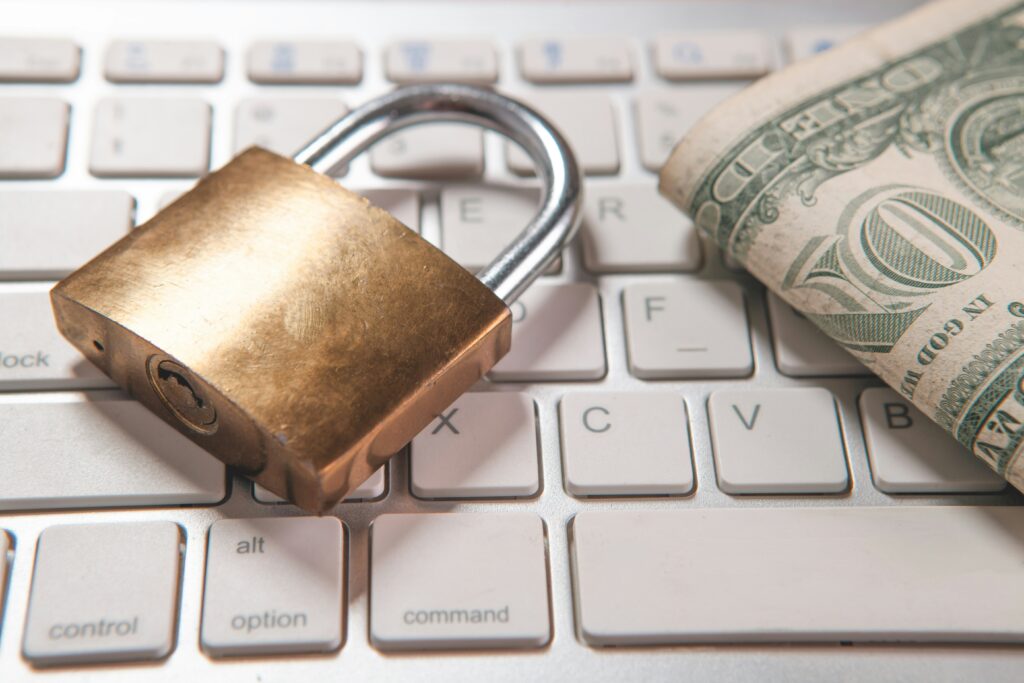
The examples demonstrate that the transition to a cashless society affects the privacy of individuals and their freedom of choice. On the one hand, people are encouraged to use cards and smartphones, which removes the possibility of theft, embezzlement, and other crimesAt the same time, they become more exposed to identity theft, online scams, and other security threats. Moreover, individuals tend to be less open or honest about their behavior and purchasing habits in fear of being judged or monitored. As a result, a cashless system makes it harder to hide private matters related to health, politics, and other topics.
How does a cashless society affect your privacy? It reduces the possibility of physical crimes but increases the risks of digital ones. People in remote areas or those lacking the necessary skills to use digital services experience limitations and disadvantages as cash is no longer an option.
Benefits of Cashless Systems: A Balanced Perspective
But, aside from privacy concerns, there are obvious advantages to moving to a cashless system. Faster payments mean less waiting and fewer mistakes, tracing the cash can assist with anti money laundering measures, and the transparency it provides can lead to economic benefits and lower handling costs for retailers, and potentially a better bottom line on our purchases.
How does a cashless society affect your privacy? In positive scenarios, enhanced security features like biometric verification or real-time fraud alerts can protect users better than carrying cash. Some systems explore tiered privacy levels, allowing limited anonymity for small amounts while maintaining oversight for larger ones.
International travel benefits from reduced currency exchange hassles, and charitable giving or remittances become simpler and cheaper. These upsides explain the appeal, even as questions about how does a cashless society affect your privacy? persist.
Limitations, Risks, and Common Misconceptions
No discussion of how does a cashless society affect your privacy is complete without mentioning the limitations. One of the biggest misconceptions about cashless transactions is that all systems are created equal, but the truth is that some have built-in security features and others do not. How does a cashless society affect your privacy? It can lead to abuse of personal data, as many systems lean toward collecting as much information as possible by default
Cybersecurity breaches are a known issue, and there have been reports of systems being hacked, with millions of people’s data being compromised. In the case of a disaster, how does a cashless society affect your privacy? People may find themselves unable to make purchases if the systems are down, while cash transactions would not be hindered. Overspending is also an easy pitfall for consumers in a cashless society, as numbers on a screen are less tangible than paper bills. How does a cashless society affect your privacy? It may lead to long-term consequences due to mistakes or impulsive behavior, as most records are permanent and accessible.
The most important limitation of a cashless society is the threat of abuse of personal data. How does a cashless society affect your privacy? It creates an environment where companies have greater power over individuals, which can lead to the erosion of privacy in favor of profit. There are also disparities between countries in terms of consumer privacy laws, meaning that some people’s data is at greater risk than others’. How does a cashless society affect your privacy?It also introduces people to emerging innovations, such as programmable money, which could enable greater oversight and control over financial transactions.
Expert Insights and Practical Applications
Financial and privacy analysts are unanimous that users should always be wary. How does a cashless society affect your privacy? depends on how responsible you will be as an individual and the choices you make within the system. One can choose to use cash for secretive purchases like medicine or gifts and use the digital system for small and non-privacy-involved payments.
The industry is already working on privacy-centric developments like temporary cards or virtual encryption as a means to offer trustworthy services to the consumers. For the business owners, trust builds through transparency within operations. The policymakers are faced with the difficulty of deregulating to allow developments while still protecting the citizens. Hybrid systems are the most recommended choice as they offer the option of choosing between digital and physical payments.
How does a cashless society affect your privacy? Users normally make mistakes like using one software consistently or being oblivious to the tracking features embedded in them. How to avoid being tracked is a good question that calls for answers like frequently checking and auditing all accounts and being choosy with multifactor authentication. You should also make sure that the payment methods are not monotonous.
How does a cashless society affect your privacy? is a question that also brings up the importance of being conscious of technological advancements and the impact it brings about. Trust was a fundamental aspect of the economy even before the coinage of physical money. All these changes mean that we need to be cautious and responsible with our digital prints.
Future Trends and Preparing for Change
Looking ahead, how does a cashless society affect your privacy? will likely involve ongoing debates around new digital forms of money. Some nations experiment with features designed to mimic cash anonymity for small values, while others prioritize full traceability.
Resilience concerns—cyber threats, geopolitical tensions, natural disasters—may slow complete transitions, favoring systems with cash redundancy. Technological advances could introduce better privacy defaults, such as decentralized verification or zero-knowledge methods that prove transactions without revealing details.
Consumers can prepare by building habits that mix methods and advocating for inclusive policies. How does a cashless society affect your privacy? Ultimately hinges on collective choices about technology design and regulation. By understanding how does a cashless society affect your privacy?, consumers can make more informed decisions and better protect their financial privacy in an increasingly digital world by staying informed about digital safety tips.
Frequently Asked Questions
1. Is total privacy attainable in a cashless society?
Combining cash and certain privacy-focused technologies could allow for an adequate level of discretion in particular circumstances.
2. How do you think government officials might influence such a shift?
They may have a hand in accelerating the transition, as well as establishing standards designed to protect confidentiality at large.
3. How can companies remain competitive while respecting consumer privacy?
The adoption of limited data access and proactive security measures could facilitate the process, alongside transparency about the terms.
4. Are younger generations especially vulnerable?
They are statistically more likely to embrace the transition, which could expose them to greater risk in the long term.
5. What kind of technological advancements can we expect?
Privacy-oriented tools and processes will likely emerge, allowing to mitigate some of the risks.
6. Does the use of cash remain an option for those who value financial privacy?
It may well be an advisable option for those who wish to avoid discretion erosion in specific circumstances.
7. What do you think future regulations will look like?
Enhanced data protection directives and balanced payment system standards are projected to take shape in the years ahead.
Conclusion
Understanding how does a cashless society affect your privacy? begins with recognizing that every digital payment leaves behind valuable data. “But if you shift from a cashless society, it makes a record of your activities, which business can use to track what they are doing, or banks to identify spending habits and sometimes governments will even access this information,” he said. With increased technology use, data security, tracking, identification fraud, and monitoring all become factors.
Overall, the gains of a cashless economy should be weighed by adequate safeguards for privacy and transparency in how your data is utilized, alongside a strong understanding of financial data privacy and responsible data handling practices. While it may be difficult to entirely avoid risk, using secure payment choices and protecting personal data can help alleviate this risk. By understanding how does a cashless society affect your privacy?, consumers can make more informed decisions and better protect their financial privacy in an increasingly digital world.