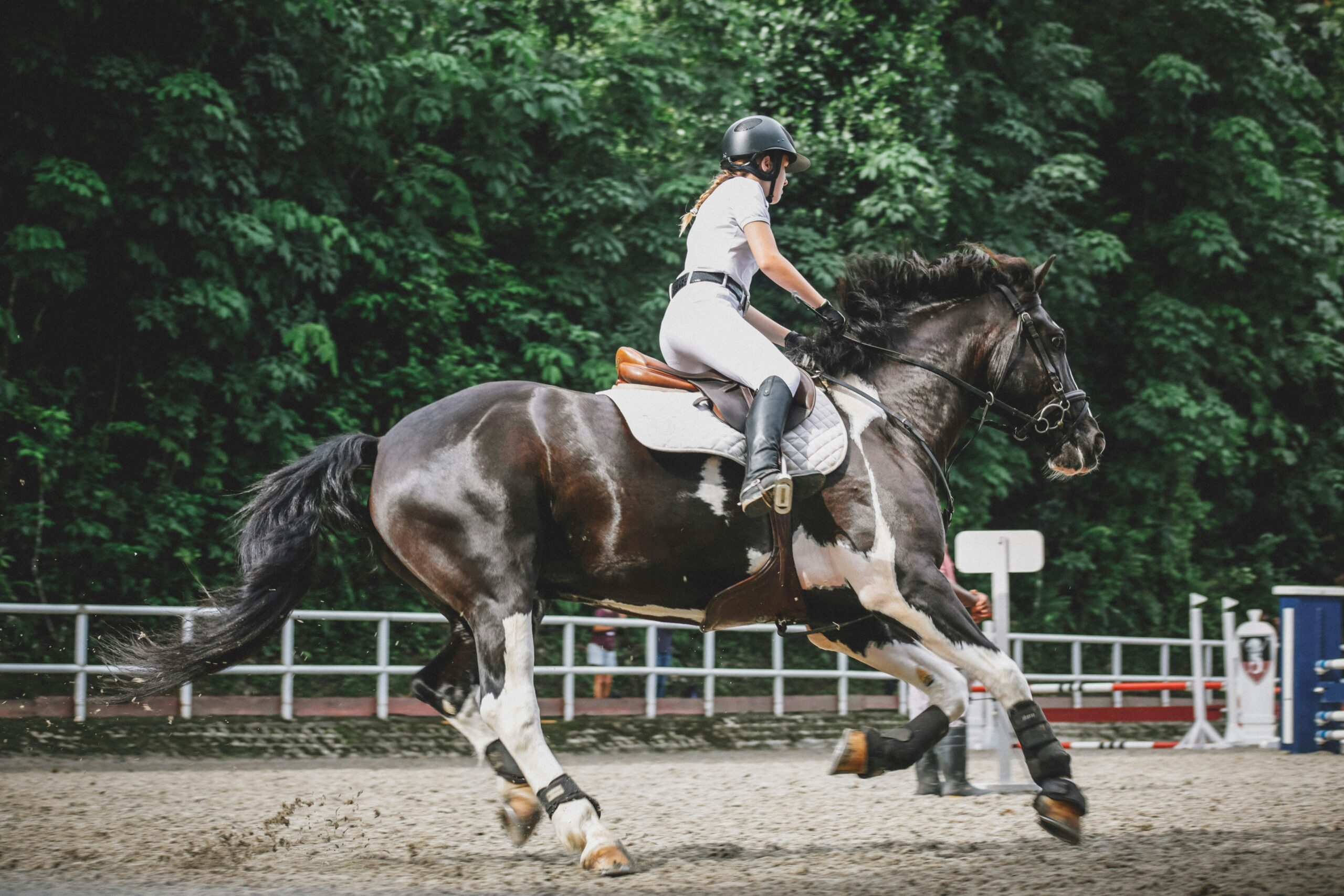
A person sitting on a horse may not look like a typical DUI case, but the question “can you get a DUI on a horse” comes up more often than many people expect.A person riding a horse down a country road or riding one away from a party may appear absurd, but the laws governing intoxicated persons operating a vehicle and transporting animals are not quite so obvious.
Generally speaking, drunk driving or driving while under the influence of intoxicants laws are specifically tailored to operate at the level of operating automobiles, trucks, or motorcycles. However, the legal implications can extend beyond these simple boundaries. The circumstances, state, the nature and wording of the relevant laws and the definition of the term “vehicle” could lead to criminal charges or other legal sanctions for riding a horse under the influence.
The answer to this question is neither simply “yes” nor simply “no”. While in some areas a horse may not fit within a statutory definition of a motor vehicle, and traditional DUI charges may not apply, some jurisdictions make it illegal to ride horses under the influence under state laws concerning the safety of the public, animals, or due to regulations concerning public indecency or animal cruelty or disorderly conduct.
To fully grasp why such regulations exist, it is imperative to look past the standard concept of DUI to understand the original intent behind such regulations.
Can You Get a DUI on a Horse? Why This Question Matters
Why the question exists: What is the law of horse DUIs? Horseback riding fits the “vehicle” definition only in a very broad sense because horses aren’t equipped with any of the mechanical features (ignition, wheels, steering) that one would associate with a vehicle operating on public roads or pathways. Many horseback riding participants may believe DUIs don’t really apply to equestrian endeavors.
However, many laws focus less on whether you are operating a piece of machinery and instead on whether your impaired behavior is causing an unreasonable risk of harm to yourself, other pedestrians, other riders, and motorists.
A horse, as a very powerful (potentially thousand-plus pound) animal capable of swift movement, spooking, and entering areas often utilized by drivers and other walkers, presents a definite risk of harm if operated by someone who is impaired due to drinking. Loss of judgment, slowed reaction time, diminished motor skills, and reduced balance would make it exceedingly difficult for a rider to maintain control of an animal moving at speeds approaching those of some automobiles. Law enforcement is concerned about people with impaired abilities creating safety risks, regardless of whether the cause of their impairment is driving a car, an ATV, or, in this case, ahorse.
Understanding How DUI Laws Usually Work
To understand whether horseback riding can lead to a DUI charge, it helps to understand the basic structure of DUI laws and impaired driving regulations.
A typical DUI law usually requires three main elements:
- A person was operating or controlling a vehicle.
- The person was impaired by alcohol or drugs, or exceeded the legal blood alcohol concentration (BAC) limit.
- The vehicle or activity falls under the law’s definition of transportation equipment.
Of crucial interest to the equestrian-related DUI query is generally the definition of the term “vehicle” found in DUI law. What the law defines as a ‘vehicle’ vary significantly by state. Some laws would state that a ‘motor vehicle’, whereas others perhaps mention broader definitions like something that travels upon roads or transportation by anymeans and would more than likely include horses.
Other states would find that ‘engine driven, propelled in any fashion’.
So as law’s vary; one could not suppose that the laws in other states are valid here.
The Difference Between Driving a Car and Riding a Horse
Of course, the biggest legal difference, and a substantial one at that, is that a horse is not a motor vehicle. A traditional charge of DUI was primarily designed around people riding while on a fast and/or heavy motor vehicle, like an automobile or a motorcycle, which have the capacity to cause far more extensive collateral damage than you are likely to achieve even if you are well out your mind. You are not riding a machine, but instead riding a creature that can do its own thing.
This difference creates legal questions:
- Does the law cover only motorized transportation?
- Does riding an animal count as operating a vehicle?
- Is the person on a public road?
- Did the rider create danger for others?
- Are there separate laws addressing reckless or unsafe behavior?
Courts and lawmakers may interpret these issues differently depending on local regulations.
Situations Where an Intoxicated Horse Rider Could Face Legal Trouble
Even if a traditional DUI charge does not apply, an intoxicated rider may still face consequences in certain situations.
Riding on Public Roads
Law Enforcement may encounter a drunk horseback rider If you or the horseback rider are operating their animal drunk on a public roadway, they might draw Law enforcement. A horse riding animal can impede traffic and position a risk. If the motorist are unprepared to contain the horse the they could prevent automobiles, trigger auto accident or obstruct traffic lane. Regulations used against your animal rider may not be dui laws.
Endangering Other People
If an impaired rider loses control of a horse and places others at risk, additional charges may become possible.
Examples might include:
- causing a collision
- entering dangerous areas
- interfering with traffic
- threatening public safety
The specific charges depend on local law and the details of the event.
Neglecting or Harming the Animal
It’s irresponsible for an individual to ride while impaired. In such a case if, as result of alcohol abuse, care of a horse leads to animal negligence, physical harm or cruelty, animal abuse law will be called upon. Appropriate horseback riding necessitates not just responsible supervision of the animal, but the perception of how all is with the animal itself as well as their immediate environs and immediate welfare needs.
Why Laws Differ From State to State
The United States does not have one universal DUI law. Instead, every state creates its own criminal statutes and definitions.
This means the answer to “can you get a DUI on a horse” depends heavily on location.
Some states have very specific DUI language focused on motor vehicles. Others have broader transportation laws or additional public safety rules that may apply in unusual circumstances.
Legal differences may involve:
- how the state defines a vehicle
- whether roads or private property are involved
- whether the rider caused danger
- whether another law applies
- how courts interpret unclear situations
As a result of those differences, people discussing unique DUI cases online can get the wrong idea about their own situations.
Can Riding a Horse Lead to a DUI Charge?Understanding the Laws Behind Riding Under the Influence
How Courts May Look at Horseback Riding and Alcohol Use
When uncommon legal issues occur, courts usually look closely at the specific wording of statutes rather than relying on what may seem logical. Simply because someone was drinking a brew while seated atop a horse doesn’t automatically translate to a violation; the focus shifts to whether or not they were in control of something the law intends to regulate and if such an action creates a risk to the public.
Judges may consider several factors, including:
- The location where the horse was being ridden
- Whether the rider was on a public road or private property
- Whether the horse was under the rider’s control
- Whether other people were placed at risk
- The specific language used in local laws
For instance, someone horseback riding through the vast open private fields perhaps for pleasure can pose a significantly different case if he were doing so at a rapid clip, while intoxicated, on a main city avenue. These facts demonstrate why general answers to uncommon situations concerning DUI don’t generally help.

Common Misunderstandings About DUI Laws and Horses
The idea of getting a DUI on a horse often creates confusion because people make assumptions based on everyday language rather than legal definitions.
A Horse Is Different From a Car, So DUI Laws May Not Apply”
This is an often-cited reason. Just because a horse doesn’t qualify as a vehicle doesn’t mean drunk riders are automatically exempt from prosecution for their actions. Law enforcement officers have other means to respond when a person’s actions pose a risk to others. While the typical DUI statute won’t cover mounted parties, other laws might not discriminate based on a horse being either engine or not engine-powered.
Why Private Property Does Not Always Eliminate Legal Risks”
Private property does not afford protection from the reach of the law in all situations; just because the owner of property does not like or wish the activity to occur on the property does not give the owner carte blanche to respond with brute force and expect immunity. Any intoxicated rider who goes on and about one’s premises, damages property, hurts or causes suffering to another living being,
“A Horse Cannot Cause a Serious Accident”
Although horses are often associated with farms and recreation, they are powerful animals capable of causing significant injuries.
An impaired rider may struggle with:
- maintaining balance
- communicating with the horse
- recognizing hazards
- responding quickly to unexpected movements
A frightened or uncontrolled horse can create risks for both the rider and nearby people.
Real-World Situations That Can Create Legal Problems
While every case depends on local laws, certain situations are more likely to attract attention from authorities.
Riding After Leaving an Alcohol-Focused Event
Someone at a party, concert, festival or event could choose a horse ride as a supposedly safe alternative to taking their car home. Unfortunately, switching one type of transport for another doesn’t get rid of the dangers that come with drinking too much. Anyone who is not capable of handling a horse safely may face risks when riding around traffic, pedestrians, or other animals.
Riding in Traffic Areas
You can get around town, sometimes even share roads with vehicles in rural areas, on horseback. Your average drunken rider can represent pretty much the same form of unsafe transport as other kinds of impaired movement, although your average driver might find it harder to anticipate movement from a horse than, for example, an out-of-control lawn mower or a tipsy pedestrian to anticipate movements, and the judgment calls of some may further the risk.
Losing Control of the Animal
A horse responds to body movements, balance, commands, and environmental signals. Alcohol can interfere with all of these skills.
An impaired rider may:
- give unclear commands
- fall from the horse
- frighten the animal
- fail to notice dangerous surroundings
Even when DUI laws are uncertain, unsafe behavior can still result in legal consequences.
The Role of Public Safety in Unusual Transportation Cases
The reason governments legislate for unsafe transit is so they don’t allow harm to occur without justification.
Alcohol affects several abilities needed for safe movement, including:
- reaction time
- coordination
- decision-making
- attention
- risk assessment
Those impacts do not simply vanished when the mode of transportation altered from riding inside of an auto, to handling a vehicle on a ranch or construction web site, or while using the aid of any type of animal or some other implies of trip. Whether the particular person is inside the auto, on the bit of ranch or job tools, over a horse orbike , the outcomes of drugs would seem just as similar if it comes to generating good judgements of security.
It is actually within the large perspective of well-being which reasons the unique and much rarer cases, often of animal or simply a new sort of trip-riding-being able to proceed into awareness time for the average man.
How Alcohol Affects Horse Riding Ability
Horseback riding requires more coordination than many people realize. Experienced riders develop skills that involve communication between the rider and the animal.
A rider must manage:
- body position
- balance
- hand movements
- awareness of surroundings
- responses to the horse’s behavior
Alcohol can interfere with these abilities.
Even a slight decrease in coordinated movement while riding can create dangers for both you and your horse; since they are such receptive animals and react to tiny movements it would be obvious to both horse and any onlooker to tell if someone was reacting more slowly to an obstacle or sudden noise. It’s always safe to assume that this kind of behavior is what caution refers to with regard to horseback riding with alcoholic beverages.
Responsible Alternatives to Riding While Impaired
People who plan to drink around horses should consider safer alternatives before the situation becomes a problem.
Some practical options include:
- arranging a sober rider or driver
- staying overnight at the location
- keeping the horse safely housed until the next day
- planning transportation before drinking begins
- avoiding riding when judgment or coordination is affected
Good planning protects not only the rider but also the animal and other people nearby.
How Horse Owners Can Reduce Safety Risks
Horse owners and stable managers can help prevent alcohol-related riding incidents by creating clear expectations.
Helpful practices include:
Establishing Rules Before Events
If a property hosts gatherings involving alcohol, organizers can set expectations about riding. Clear rules are easier to follow when people understand them beforehand.
Separating Alcohol and Riding Activities
Keeping riding activities separate from drinking activities reduces the chance that someone will make an unsafe decision.
Encouraging Responsible Animal Care
Humans play an important role in providing horses with the care and guidance they need. Owners should make sure anyone interacting with the animal is capable of doing so safely.
What Riders Should Know About Legal Responsibility
Horse riding obligations beyond our own recreation responsibly Some people are concerned about some aspects of horse riding, especially people who would be very aware of personal responsibility and who would carry certain moral and social implications with them wherever they may lead and even if a certain situation in a legal field may not be commonplace, it does not make it lawful to take advantage of certain aspects just because nobody otherwise would consider it a possibility, taking equestrian rides should perhaps therefore be taken more seriously, just as driving in an automobile for instance.
CCan Riding a Horse Lead to a DUI Charge? Understanding the Laws Behind Riding Under the Influence
The Bigger Legal Lesson Behind Unusual DUI Questions
The question “can you get a DUI on a horse” highlights a broader issue in modern law: regulations often have to adapt to situations that were not the main focus when those laws were created.
Transportation, over time, has evolved. Some are car and truck drivers. Some ride ebikes, scooters, rv vehicles and farm machinery and many other ways to traverse.
Often times legislavures or judges have to make case-by-case interpretation and decision based on old laws and the newer, unique circumstances.
The horse sits right in between these two definitions – the horse is sometimes a tool, someimets a recreational device and sometimes just a mode of transportation – to this very reason the judge determines which catagory a horse rider falls into based on the circumstances, and not based on what a horse is and does inherently.
What Riders Should Remember About Alcohol and Horses
The specific legal implications differ, but the fundamental premise is that consumption of alcohol can impair a person’s judgement when riding a horse, potentially in a way that a reasonable, prudent rider would consider dangerous. Before contemplating any activity that might place a horse and its rider, other people or property at risk, the responsible rider would consider the following:
- Am I able to make quick decisions?
- Can I properly respond if the animal reacts unexpectedly?
- Could my actions put another person or animal in danger?
- Do I understand the laws where I am riding?
These questions are more important than focusing only on whether a specific charge technically applies.
The absence of a clear DUI rule does not mean impaired riding is a safe choice.
The Difference Between Legal Permission and Responsible Behavior
It’s important not to mistake “not expressly prohibited” as meaning the same thing as “permitted or harmless.” There are simply too many variable circumstances for any law to specifically catalogue each potential case. Just because something is not included within the exact wording of a criminal offence, it does not necessarily mean that it can not have the potential to cause harm or issue for such parties. For horse riders and owner that means understanding that these are animals that are to be controlled and managed by their handlers who are to guide these to take appropriate care, awareness, patience and their own ability to do so.
Final Thoughts: Can You Get a DUI on a Horse?
The question remains: can you get a DUI on a horse? For more legal guides and everyday informational articles, explore other resources available on our website. The answer depends on where the incident occurs and how local laws define impaired operation, vehicles, and public safety offenses. In some places a horse may not fit the traditional legal definition of a motor vehicle under typical DUI laws. But a rider who has been drinking can still face criminal penalties under other statutes if his/her reckless behavior injures people or animals, damage private property or otherwise becomes a public menace.
What This Really Comes Down To There are risks in almost every place on horseback but there really is something of an important takeaway message. Drunk horseback riding should never occur because even if a horse isn’t “legally” considered a vehicle, it’s a lot of animal in the hands of an inebriated person. Anyone considering horse back riding when they are intoxicated should remember these important safety issues as well as any regulations that apply locally.
Frequently Asked Questions (FAQs)
1. Can you legally ride a horse after drinking alcohol?
That will depend on the local ordinances and the specifics. Certain locations may not see horseback riding as a DUI since a horse isn’t a vehicle but other laws might apply if it causes a hazard or is ridden negligently causing damage or harm.
2.Can a Horse Be Considered a Vehicle for DUI Purposes?
The answer varies by state. Some DUI laws specifically refer to motor vehicles, while others use broader language. Legal definitions must be reviewed based on the location where the situation occurs.
3. Can you get arrested for riding a horse while drunk?
In some situations, yes. Even if a traditional DUI charge does not apply, authorities may take action if an intoxicated rider creates a public safety issue, damages property, or violates another law.
4. Why is riding a horse while drunk dangerous?
Alcohol can reduce balance, coordination, reaction speed, and judgment, making it much harder to ride a horse safely. These skills are essential for communicating with and controlling a horse safely.
5. Does a horse DUI have the same penalties as a car DUI?
Normally Not Just Automatically Penalties vary greatly depending on the exact law(s) which are invoked, the state in which a incident occurred, and the factual circumstances which involved the equestrian creature. As you can well understand, a “horse DUI” is normally not prosecuted using motor vehicle code which govern automobiles.
6. Can you get in trouble for drinking while riding on private property?
Private property does not always eliminate legal responsibility. If someone causes injury, harms an animal, or creates a dangerous situation, other laws may still apply.
7. What is the safest choice after drinking around horses?
The best and safest choice by far is to just not ride at all under the influence. Find another way to transport yourself or your gear, wait until you are back to normal, or park your horse properly and securely in a place until you know you can ride safe and responsibly.
Conclusion
The question “can you get a DUI on a horse” does not have a single answer because the outcome depends on the laws of the location where the situation occurs and the specific circumstances involved. Although the majority of DUI laws specifically mention motor vehicles, people who are drunk while riding a horse could still be charged under another related statute if they, for example, cause an accident or injury, endanger their own lives or others, or commit another offense.
The more important thing for a rider to understand however, is that riding a horse takes a great deal of focus and control. In relation to riding while intoxicated, Alcohol obviously impacts ones reaction time and control over motor functions and decisions. A horse can react poorly to situations based on its own instincts and fears, so it’s important for every horse rider on or near roads to know their local equestrian laws and practice responsible riding behaviors-and avoid riding under the influence.
Knowing the legal difference between what can and cannot be applied under a DUI law and what simply constitutes a risky or harmful situation for both the rider and their horse. Whether riding along a public road, horse trail, or in a field, the priority should always be to handle one’s horse in a stable and appropriate manner.